Sunday, May 22, 2022


Japanese Knotweed 

Fallopia Japonica


Honey Bee Friendly Flower: Japanese Knotweed | MUD SONGS

Japanese knotweed (aka Huzhang, Japanese Bamboo) is a member of the buckwheat family which makes it an excellent plant for honeybees to forage and makes a honey that is packed with nutrition and healing benefits. Raw honey connoisseurs and smart beekeepers know this and many folks will pay premium prices and search far and wide for untainted knotweed honey. It is dark and rich, full of antioxidants and many other nutritional and medical benefits.


Sadly, most of even the ORGANIC honey tested has glyphosate residue in it. If someone is spraying toxic weed killers nearby (within five miles of your garden,) your food, your honey may be contaminated as bees will forage up to a few miles away from their hives. Your garden cannot even technically be considered ORGANIC if anyone is using GMOs, poisons, pesticides or weed killers within a five mile radius of YOUR GARDEN.  

So when other people say they are not harming you by using toxic chemicals nearby, they are not telling you THE TRUTH.  Either they are ignorant or they really don't care. These chemicals get into the soil, water and air affecting everything in the environment. It is completely unacceptable that after all of this time, something so basic is still not understood. Everything is connected.

So, if you are one of those corn syrup-loving light colored, sweet honey consumers you are probably not getting any health benefit from consuming honey as it probably isn't real honey anyway. The nutrition and health benefits come with the dark color as does the variety of deep colors of other REAL foods (fruits and vegetables.)

So many of these "weeds" that people love to spray away are completely harmless, edible, free food and medicine and contain THE CURES for what makes us sick. 

Why kill things that can be useful? 

The young Japanese knotweed plant is edible and the shoots can be cooked like asparagus.  

Used in Chinese medicine, the root treats bronchitis, cough, jaundice, inflammation, gonorrhea, infections, hypertension, menopausal symptoms, skin burns and more. 

The leaves contain quinines, stilbenes, flavonoids, coumarins, lignans and other compounds that give it antioxidant and other important healing properties.  

It is cultivated as a major source of resveratrol, important as an antioxidant and used regularly  to treat Lyme disease.

Japanese knotweed has been shown to be anti-inflammatory and has anti-bacterial and anti-fungal properties. 

In studies it has been shown to have inhibitory effects on HIV-1, as well as being effective in treating some of the cognitive symptoms of dementia and Parkinson's. 


Tuesday, May 17, 2022

Wild Mushrooms

Edible wild mushrooms are an excellent source of nutrition. Mushrooms are a cholesterol-free food and can be an excellent source of B-complex vitamins including riboflavin, niacin, pantothenic acid, thiamin, biotin, folic acid and some contain B12. 

Mushrooms are considered a good source of protein as well as important minerals such as potassium, phosphorous, magnesium, iron, zinc and selenium. They also contain vitamins D and C. Carotene can be found in some types such as boletes and chanterelles.

Traditional medicine has long-known of the immune boosting and natural healing effects of mushrooms such as lion's mane (Hericium erinaceus) and reishi (Ganoderma lucidum) as well as many others.

Morels Morchella esculenta


One of the most choice wild mushrooms and one that kicks off the spring foraging season for me here in the northeast is the morel. Morchella esculenta is usually found at the same time apple trees and dogwoods are blooming, The morel has an unmistakable appearance. They are probably the most popular mushroom to foragers. 

Morels seem to have a preference for certain deciduous hardwood trees, especially oak, elm, tulip poplar, cottonwood, maple, sycamore, and ash. Occasionally, they will also grow near evergreens, such as in conifer forests that have experienced recent forest fires.

I found a whole colony of them growing on a south-east facing hillside between a big old spruce and some old apple trees. Those babies were coming up right in the middle of a wild strawberry patch and were surrounded on all sides (protected) by blackberry and raspberry brambles. A forager's little piece of heaven! That was definitely the discovery of a lifetime for me! It was the perfect combination of weather and temperature where it had been dry enough the previous season to "burn" the strawberries and grass and needles that fell from the spruce and then it rained just enough that early spring to give the mushrooms the little moisture boost they needed to spring up as prolifically as they did. Mother nature at her best.

Yellow Chanterelle C. cibarius

Chanterelle - Wikipedia

The yellow chanterelle is another easily recognizable mushroom. It is usually best picked from mid-July to early August if the weather has been relatively moist, or after a period of rain.

Called the "queen of the forest" the chanterelle's sweet, nutty aroma lasts only a few days, but they can be used for up to a week if refrigerated in a single layer in a basket, loosely covered with a paper towel, or in a paper bag. Their meaty texture holds up well in sauteed dishes, sauces, and braises. They team well with a number of foods: from fish to poultry to grains and vegetables. 

Oyster Mushroom P. ostreatus

 Fresh white oyster mushrooms - Free Stock Image

The oyster mushroom is another easy to find wild mushroom that grows abundantly throughout northeast US. If it rains enough and it's not too hot or cold, you can find them any month of the year, although they're most common in the second half of autumn. 

The oyster mushroom also has a high nutritional content and has many health benefits including being anti-inflammatory and high blood pressure and cholesterol-lowering and cardio and neuro-protective. 


Monday, May 16, 2022

Jewelweed

impatiens capensis


Some folks believe that for every ailment the earth provides a cure. Lucky for me and my constant run-ins with poison ivy, the natural remedy for the plants that are most irritating to the skin grows as abundantly and is as easily accessible.

Also known as spotted touch-me-not, this valuable medicinal plant grows near water or in shady, shallow ponds. It is often found in areas where poison ivy grows. It is an effective, natural, herbal remedy, not only for poison ivy, but also for poison oak and sumac, stinging nettles and other irritating plants. It offers quick relief from bug bites, burns and other skin conditions. 

It is used to treat acne, heat rash, ringworm, bruises, cuts, eczema, sores, sprains and warts. Its anti-fungal properties make it an effective remedy for athlete's foot. The astringent properties of this plant make it effective for any oozing or weeping rash. It has also been used traditionally for digestive issues due to its anti-inflammatory properties.

Jewelweed comes in two varieties: one with a yellow flower (impatiens pallida) which is less abundant, and the more familiar version (impatiens capensis) has an orange flower.

The medical juice or sap can be extracted from its stems or leaves preferably while still young and before it flowers, but it can really be used any time. It can be made into a tea or tincture or poultice. But it is best used right from the stalk itself. In a moist environment, the stalks get thick and juicy. Just break them open and apply directly.

I like to take a bunch of leaves and stalks cut them up, put them in a pot with some water, boil them a little and put the liquid in jars in the refrigerator. It lasts a while this way and I also make it in to a spray with a little alcohol and aloe. This does wonders when applied to a rash. It dries it right up. And I can take it with me and have it handy if I ever need it when the fresh plant is not available. 

Some have said that a tea made from jewelweed acts as a preventative. Although I have tasted it, I don't think I will ever be sipping it over ice on a hot summer day due to its astringency, but I can see how it would be useful for mild digestive issues and inflammation, as the cooling, soothing effect can be likened to the effect drinking aloe juice has on the GI tract. 

Yes, it works better than any commercial preparation I have tried and it is completely FREE! How can you beat that?  The fact that it literally grows next to or on top of poison ivy is also a great benefit making it practically impossible to miss. THANK YOU MOTHER EARTH!


Sunday, May 15, 2022


Black Raspberry
rubus occidentalis

The black raspberry is a member of the rose family and is also known as Black Cap or Scotch Cap. It is commonly mistaken for the blackberry, but has a rounder shape and more distinctive flavor than the blackberry. 


Black raspberries are high in antioxidants, as well as the cancer-preventing substance, ellagic acid, more so than any other berry (or aggregate fruit, which raspberries and blackberries actually are, but that is another story.)

They are high in vitamin C, protein, most of the B-vitamins (especially folate), vitamin A, vitamin E, and vitamin K. Raspberries contain calcium, iron, magnesium, phosphorus, potassium, zinc, copper, manganese, and selenium. 


Raspberry leaf tea is a very popular remedy for various health concerns. It is used as a mouthwash and gargle and to heal various skin issues. For women, it has been used to reduce menstrual cramps, to strengthen and tone the uterine walls for an easier labor and delivery and to help in milk production. It is also used as a male fertility enhancer as it detoxes excess estrogen from the body. With all of the synthetic estrogen we are exposed to on a daily basis due to petro-chemicals, it can help rid the body of toxins that inhibit proper hormone function.

Scientists have shown that eating black raspberries can lesson the risk of cancer in the mouth, esophagus and colon, and skin cancer, too. 

Researchers at the Ohio State University Medical Center found that a topical compound made of black raspberries significantly slowed the growth of squamous cell carcinomas of the skin in mice exposed to ultraviolet B (UVB) radiation, the most dangerous light in the solar spectrum.

“In terms of shutting down the inflammatory response, we’ve never seen anything like it,” said Dr. Anne VanBuskirk, an assistant professor of surgery in Ohio State’s College of Medicine and senior author of the study, presented at a meeting of the American Association of Cancer Research.

"The treatment with black raspberry extract reduced the number of tumors by about 50 percent. The tumors were smaller, and in fact, it slightly reduced progression."

Black raspberries are also high in anthocyanins, a pigment that shows as either red or blue (according to pH). Anthocyanins have been shown to protect photosynthetic cells (like leaves) from light damage. 

In traditional medicine, black raspberries have long been known to be natural form of sunscreen and science now realizes this. 

A lotion made from raspberries may prevent damaging effects of the sun even AFTER exposure. 

Raspberry seed oil itself has been shown to have very high SPF (30-60) when compared to other oils. 

You won't see that advertised on any media outlet. No chemical company or even the most organic and natural skin care company is going to tell you that YOU DON'T NEED their PRODUCTS, WHEN YOU CAN JUST BUY THE OIL OR MAKE IT YOURSELF. 

People are slathering themselves with toxic chemical sunscreens that are actually CAUSING SKIN CANCER. Worse yet, people avoid the sun altogether. We need the sun for Vitamin D and its rays are the BEST NATURAL DISINFECTANT. If you do feel the need to shield yourself, as too much exposure is not a good thing either, please consider trying something natural. Even incorporating them into your diet has many health benefits.

There are so many natural methods to stay healthy. Wild fruits and foods like black raspberries grow everywhere in nature and need very little care. If allowed to flourish and they are not tainted by toxic herbicides and pesticides, fertilizers, etc. black raspberries are FREE FOOD, MEDICINE AND SKIN CARE: the total package. 

Easy Jam 

8 cups berries

1/2 cup sugar

1/2 cup water

1 pkg. low (or no sugar) pectin

Mash the berries and 1/2 c water (or juice) in a large saucepan on low heat until warm and then strain them in a food mill or similar coarse strainer.

Let the juice drip through a finer strainer; a standard kitchen strainer will do. (juice will be cloudy and thick.) 

Mix juice with 1/2 c sugar and heat until sugar dissolves. Add pectin a little at a time until dissolved, and bring mixture to a hard boil for a minute. Jam will start to thicken and will sheet. (Rather than form a single drop, it forms a sheet when dripped from a spoon.)

Fill jars and for maximum shelf life follow traditional canning instructions. I flip my ball jars so the suction created naturally seals the lids when they cool. Make sure you have the lid on properly and don't overfill or they won't seal.


 https://www.sciencedaily.com/releases/2007/04/070418074348.htm


Friday, May 06, 2022

Hormone Balance

Concern over the possible side effects (cancer and cardiovascular disease) has prompted many to consider natural alternatives to hormone replacement therapy.  

Petrochemical-based xenoestrogens can be found in just about everything we come in to contact with on a daily basis. Is it any wonder that disease is rampant and our immune systems are getting weaker and weaker? 

They show up in fuels, pesticides, herbicides, fungicides, plastics, clothing, personal care products, cosmetics, baby products (that are deemed safe for babies) and more.  

Although plants and vegetables like soybeans are high in estrogen, and GMO-tainted soy is a MAJOR health concern, the answer is NOT to remove natural, organic plants from the diet, but to remove the OTHER TOXINS and eat a balance of fresh, real, nutrient-rich foods. Anything processed is not real food. Vegans beware!

And for the die-hard carnivores: Synthetic estrogens are used to fatten cattle and poultry and other meat-producing animals, and also (ovolactovegetarians) to increase milk and egg production. 

We all know by now fish are full of plastic and other garbage. (You didn't think I'd leave you out, did you pescatarians?) 

Many illnesses have been attributed to hormone imbalance which can manifest as decreased antibodies, lowering immunity, and leading to conditions such as acne, migraines, obesity, infertility, anxiety, depression, cardiovascular disease and cancer, diabetes, fibromyalgia, and more. 

There are a multitude of hormones in the human body and any number of hormones can become depleted or out of balance in both men and women, but the three most commonly noted are estrogen, testosterone and progesterone.  


Estrogen Dominance

Estrogen dominance is connected to many conditions such as hair loss, fibrocystic breasts, uterine fibroids, acceleration of the aging process, breast cancer, polycystic ovaries, mood swings, osteoporosis, uterine cancer, memory loss, endometrial cancer, bone loss, PMS, low sex drive, allergies, thyroid dysfunction, water retention, weight gain, irregular periods, high blood pressure, blood clots and headaches. 

Hypothyroidism: The crucial nutrient for thyroid hormone synthesis in the body is iodine.  

Kelp is a great source of natural iodine. Nascent (atomic) iodine is also recommended as it is most readily absorbed into the body. Natural, unrefined sea salt is a good source. Peas and cranberries are a couple of foods that are rich in iodine. There are many more.

Not All Giant Kelp Populations Will Respond To Ocean ...


 https://i.pinimg.com/originals/bb/45/63/bb4563d466d63e12c1aaa8c71f5aa6c2.png


Low Testosterone

Low testosterone can cause fatigue, loss of lean muscle, fat accumulation, increased risk of osteoporosis and bone fractures, increased risk of cardiovascular disease and possibly prostate cancer. 

Testosterone levels can be boosted by adding more omega 3 fatty acids, zinc and magnesium: brazil nuts, oats, peanuts, pecans, pumpkin and other seeds, peas, spinach, whole grains and eggs. Refined grains are generally low in magnesium due to the processing, and also important to note: "hard" water usually contains more magnesium than "soft" water. 


Progesterone

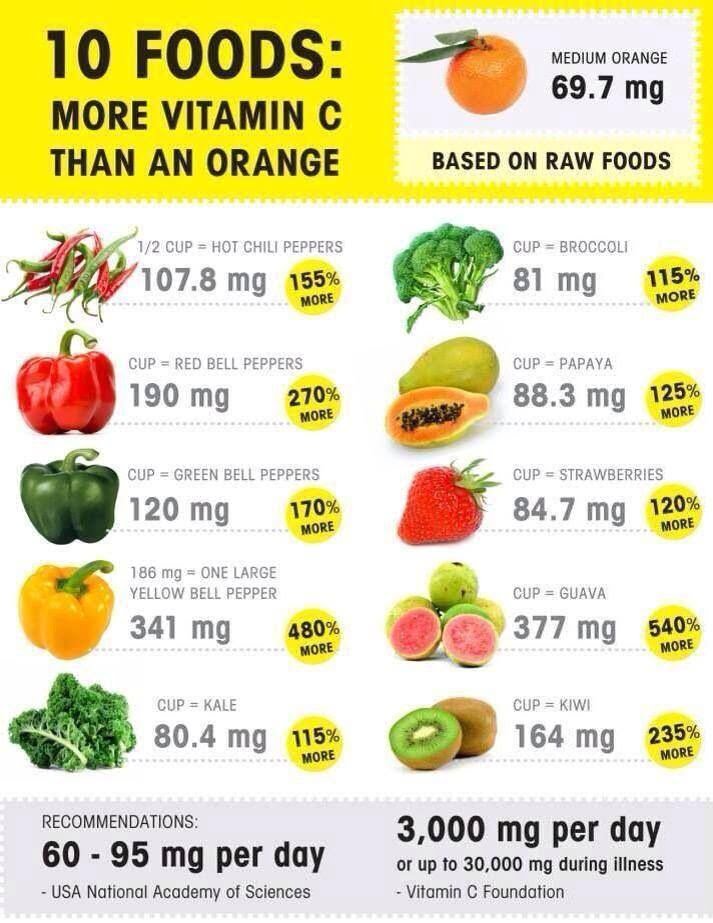
To boost progesterone production, it helps to increase vitamins C and B6, magnesium and zinc. 
 https://www.befitandfine.com/wp-content/uploads/2020/07/Foods-With-More-Vitamin-C-Than-An-Orange.jpg


Foods to Boost Your Progesterone Levels | The Dietologist


Herbal Remedies

Many herbal remedies are easily sourced and prepared and can be found locally in and around most wooded areas and forests in North America as well as other places worldwide.  If you are foraging, make sure the area hasn't been contaminated with any hazardous chemicals or toxic weed killers, pesticides, etc. Roots are especially susceptible to absorbing anything toxic in the ground and some poisons can stay in the soil for a long time, so it is not recommended to use any plants growing outside of an unspoiled, protected, clean, healthy, natural environment.  Usually, the deeper in to the woods you go, the better the pickings.


Black Cohosh

Black cohosh is a wild herb and was used traditionally to treat various ills from fever and rheumatism to menstrual cramps and snake bites. It has come in to wider use worldwide to ease symptoms such as hot flashes and other signs of hormone imbalance. In clinical studies, it delivered better results than conventional therapies such as hormonal drugs and antidepressants in alleviating hot flashes and mood swings, depression, anxiety and vaginal atrophy. 


Black Cohosh: The Native American 'Miracle Herb' For Women ...http://identifythatplant.com/wp-content/uploads/2011/07/100711-Black-cohosh-2-closer-768x1024.jpg


Red Clover

Red clover is a wild, medicinal herb that can be used to treat various conditions and symptoms such as hot flashes and also to regulate hormones.

https://blogger.googleusercontent.com/img/b/R29vZ2xl/AVvXsEiiHji9d0E_9MMyOIuNssRpFTAX70iOA9IFDdTEeCIGTX8cEMwqk9DPhu0YZRwh1xwIW56c34gRFO_SrfcW4QpfbdUdBJYcUOxUznDL8zY0neMlL9K4sO5dUosW7tzcXYbRxLf1Hw/s1600/DSCF8155.JPG

Wild Yam 

Wild yam is another easy to find medicinal herb that enhances progesterone. It, too, is nutrient-rich and multi-purposed.  

Wild Yam - Dioscorea villosa | Root Buyer 


Wild Yam Information and Facts


Astragalus

This herb and others such as ashwagandha, ginger, fenugreek, and horny goat weed have been used for generations to boost testosterone levels. 

 Astragalus


Lifestyle

Getting enough natural, unfiltered sunlight and sleeping in total darkness at night (and reducing artificial blue light exposure during the day) helps hormone production. Daily exercise aids in restful sleep. Reducing stress and practicing conscious relaxation techniques (yoga, and meditation) helps bring hormone levels in to balance. 

Foraging for wild foods and natural medicines is not only a great way to get exercise but a perfect way to source natural and FREE remedies to help you get back in to balance and STAY WELL.